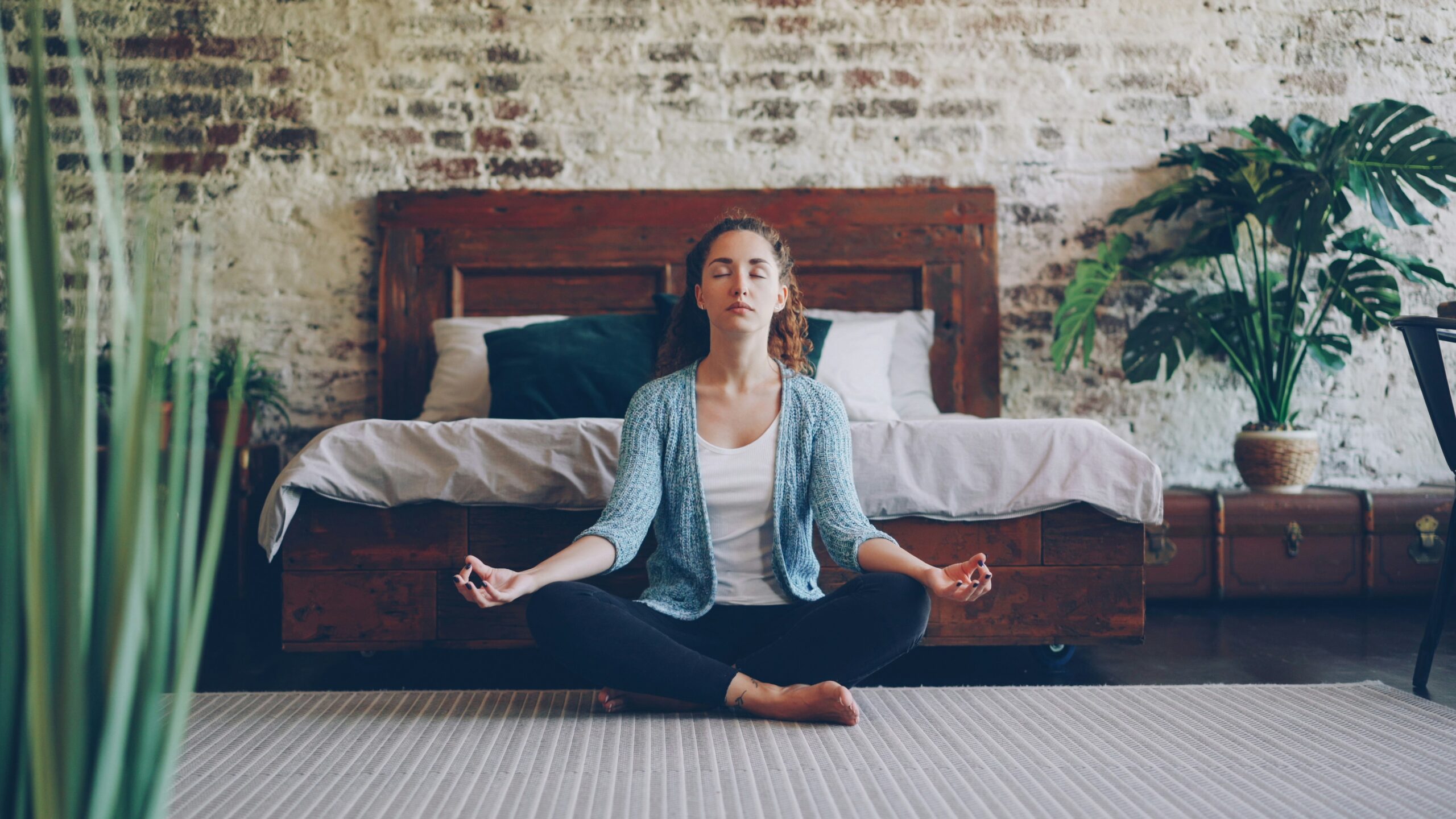
Self-Care Practices That Improve Your Emotional Well-Being
Emotional well-being doesn’t disappear overnight.
It fades quietly.
One stressful week turns into a stressful month. Sleep becomes harder. Small inconveniences feel bigger than they should. The things that once brought joy suddenly feel like obligations.
Many people assume emotional wellness requires major life changes. A new job. A vacation. More money. Less responsibility.
The truth is often much simpler.
The small things you do consistently have a far greater impact on your emotional health than occasional grand gestures.
That’s where self-care comes in.
Not the social media version filled with luxury spa days and expensive retreats. Real self-care is practical. It’s sustainable. And most importantly, it helps protect your mental and emotional health before burnout takes hold.
In this guide, you’ll discover science-backed self-care practices that improve emotional well-being, strengthen resilience, and help you create a healthier relationship with yourself.
By the end, you’ll have a collection of simple habits you can start using immediately—even on your busiest days.
KEY TAKEAWAYS
✓ Self-care is essential for emotional wellness, not a luxury.
✓ Consistent daily habits often outperform occasional self-care splurges.
✓ Sleep, movement, healthy boundaries, and mindfulness have a direct impact on emotional health.
✓ Emotional well-being improves when you actively manage stress rather than merely react to it.
✓ Small actions practiced consistently create lasting emotional resilience.
TABLE OF CONTENTS
What Is Emotional Well-Being?
Why Self-Care Matters More Than Most People Realize
The Connection Between Self-Care and Emotional Health
Statistics That Highlight the Importance of Self-Care
Self-Care Practice #1: Prioritize Quality Sleep
Self-Care Practice #2: Create Daily Moments of Quiet
Self-Care Practice #3: Move Your Body Consistently
Self-Care Practice #4: Set Healthy Emotional Boundaries
Self-Care Practice #5: Practice Gratitude Without Forcing Positivity
Frequently Asked Questions
Final Thoughts
What Is Emotional Well-Being?
Emotional well-being refers to your ability to understand, manage, and express emotions in healthy ways.
It doesn’t mean feeling happy all the time.
In fact, emotionally healthy people experience sadness, frustration, disappointment, and anxiety just like everyone else.
The difference is that they know how to process those emotions without becoming overwhelmed by them.
Strong emotional well-being often includes:
* Self-awareness
* Emotional resilience
* Healthy relationships
* Effective stress management
* Positive self-esteem
* A sense of purpose
When emotional health declines, every area of life tends to suffer alongside it.
Relationships become strained.
Work feels harder.
Decision-making becomes more difficult.
Even physical health can begin to deteriorate.
That’s why prioritizing self-care isn’t selfish. It’s preventive care for your mind and emotions.
Related Reading: Emotional Wellness: The Complete Guide to Improving Your Emotional Health Every Day
Why Self-Care Matters More Than Most People Realize
Most people wait until they’re exhausted before they start paying attention to themselves.
Unfortunately, emotional burnout rarely announces its arrival.
It builds quietly through chronic stress, emotional overload, poor sleep, and neglecting personal needs.
Think of emotional wellness like a bank account.
Every stressful situation creates a withdrawal.
Every healthy self-care habit creates a deposit.
The problem?
Many people keep withdrawing without replenishing.
Eventually, the account runs empty.
That’s often when symptoms begin appearing:
* Irritability
* Persistent fatigue
* Anxiety
* Emotional numbness
* Lack of motivation
* Difficulty concentrating
If some of these signs sound familiar, you may benefit from reading:
The Hidden Signs of Emotional Burnout and How to Recover
The Connection Between Self-Care and Emotional Health
Research consistently shows that self-care behaviors influence emotional regulation, stress levels, and overall life satisfaction.
When you intentionally care for your physical, mental, and emotional needs, your brain becomes better equipped to handle life’s challenges.
Self-care helps:
Emotional Challenge
How Self-Care Helps
Chronic Stress
Lowers stress hormones
Anxiety
Promotes emotional regulation
Burnout
Restores mental energy
Mood Swings
Creates stability
Low Motivation
Increases energy and focus
Emotional Exhaustion
Supports recovery
Self-care isn’t about escaping life.
It’s about developing the capacity to handle life more effectively.
Statistics That Highlight the Importance of Self-Care
Recent research paints a clear picture:
* Chronic stress is associated with increased risks of anxiety and depression.
* Sleep deprivation significantly affects emotional regulation and mood.
* Regular physical activity has been linked to reduced symptoms of anxiety and improved emotional resilience.
* Strong social connections consistently rank among the top predictors of happiness and life satisfaction.
Source: World Health Organization (WHO)
American Psychological Association (APA)
Centers for Disease Control and Prevention (CDC)
Self-Care Practice #1: Prioritize Quality Sleep
Few self-care habits influence emotional well-being as powerfully as sleep.
Yet it’s often the first thing sacrificed.
Late-night scrolling.
Extra work.
Endless entertainment.
Before long, sleep becomes optional.
Your brain disagrees.
During sleep, the brain processes emotional experiences, consolidates memories, and restores cognitive function.
Without enough quality sleep, emotions become harder to manage.
You may notice:
* Increased irritability
* Higher stress levels
* Reduced patience
* Difficulty concentrating
* More negative thinking
Simple Ways to Improve Sleep Quality
* Maintain a consistent sleep schedule
* Limit screen time before bed
* Avoid excessive caffeine late in the day
* Keep your bedroom cool and comfortable
* Create a relaxing nighttime routine
Many people are surprised by how dramatically their emotional health improves once they start sleeping better.
Self-Care Practice #2: Create Daily Moments of Quiet
Modern life is noisy.
Notifications.
Emails.
News updates.
Social media feeds.
Constant stimulation leaves very little room for reflection.
That’s one reason many people feel mentally exhausted despite not being physically tired.
Creating intentional moments of quiet helps your mind reset.
This doesn’t require meditation expertise.
It can be as simple as:
* Sitting quietly with a cup of tea
* Taking a short walk without your phone
* Spending ten minutes journaling
* Practicing mindful breathing
Even a few minutes of stillness can interrupt the cycle of stress and emotional overload.
Related Reading: How to Manage Stress Naturally Without Feeling Overwhelmed
Self-Care Practice #3: Move Your Body Consistently
Exercise is often viewed as a physical health tool.
Its emotional benefits may be even more impressive.
Physical activity stimulates the release of endorphins and other neurotransmitters that support mood regulation.
You don’t need intense workouts.
In fact, consistency matters far more than intensity.
Excellent options include:
* Walking
* Dancing
* Yoga
* Cycling
* Swimming
* Strength training
The goal isn’t perfection.
The goal is movement.
Some of the most emotionally resilient people aren’t necessarily athletes—they simply stay active.
Self-Care Practice #4: Set Healthy Emotional Boundaries
One of the fastest paths to emotional exhaustion is saying yes when you want to say no.
People-pleasing often disguises itself as kindness.
Over time, however, it can lead to resentment, stress, and burnout.
Healthy boundaries protect your emotional energy.
Examples include:
* Limiting toxic interactions
* Protecting personal time
* Saying no without excessive guilt
* Communicating needs clearly
* Respecting your own limits
Boundaries aren’t walls.
They’re guidelines that help relationships remain healthy and respectful.
For a deeper understanding, read:
Why Setting Healthy Boundaries Improves Mental and Emotional Health
Self-Care Practice #5: Practice Gratitude Without Forcing Positivity
Gratitude is often misunderstood.
It’s not pretending everything is perfect.
It’s recognizing what remains good even during difficult seasons.
Healthy gratitude acknowledges both reality and hope.
A simple practice involves asking yourself:
“What went well today?”
The answer doesn’t need to be extraordinary.
Maybe:
* A meaningful conversation
* A peaceful morning
* Completing a difficult task
* A moment of laughter
Over time, this habit gently shifts attention away from constant negativity without denying life’s challenges.
EXPERT INSIGHT
According to researchers in positive psychology, gratitude practices can contribute to greater emotional resilience, improved mood, and stronger interpersonal relationships when practiced consistently.
Self-Care Practice #6: Nourish Your Body With Intention
What you eat doesn’t just affect your physical health.
It influences your emotional state too.
Many people notice they feel more irritable, fatigued, or emotionally drained after days of poor eating habits. While food isn’t a cure for emotional struggles, it can provide your brain with the nutrients it needs to function at its best.
Think of nutrition as emotional support from the inside out.
Simple improvements can make a meaningful difference:
* Drink enough water throughout the day
* Include fruits and vegetables regularly
* Choose whole foods more often than processed foods
* Eat balanced meals that stabilize energy levels
* Avoid relying on excessive sugar for comfort
The goal isn’t perfection. Emotional well-being improves when healthy habits are sustainable rather than restrictive.
Self-Care Practice #7: Build Supportive Relationships
Few factors influence emotional well-being more than the people we spend our time with.
Human beings are wired for connection.
When life becomes difficult, supportive relationships often provide the emotional safety net that helps us recover and move forward.
Strong relationships can:
* Reduce feelings of isolation
* Increase resilience during stressful periods
* Improve self-esteem
* Create a greater sense of belonging
* Enhance overall life satisfaction
That doesn’t mean surrounding yourself with dozens of friends.
A small circle of trustworthy people is often far more valuable than a large network of superficial connections.
If emotional exhaustion has caused you to withdraw from others, reconnecting with supportive relationships can become an important part of recovery. This is especially true for people experiencing early signs of burnout discussed in our guide on hidden signs of emotional burnout and recovery.
Self-Care Practice #8: Reduce Digital Overload
Most people underestimate how much mental energy constant digital consumption requires.
Within minutes of waking up, many individuals are already scrolling through social media, checking messages, reading emails, and consuming news updates.
The brain rarely gets a chance to rest.
Over time, excessive screen exposure can contribute to:
* Increased anxiety
* Comparison-based thinking
* Information overload
* Reduced attention span
* Emotional fatigue
Try creating small boundaries around technology:
* Avoid checking your phone immediately after waking up
* Schedule social media-free periods
* Turn off unnecessary notifications
* Designate screen-free times during meals
* Spend at least 30 minutes daily away from all devices
Many people discover that reducing digital noise creates more mental clarity than they expected.
Self-Care Practice #9: Engage in Activities That Create Joy
Somewhere between responsibilities, deadlines, and obligations, many adults stop doing things purely because they enjoy them.
Joy often gets postponed.
Unfortunately, emotional well-being suffers when life becomes entirely focused on productivity.
Ask yourself:
What activities make me lose track of time?
The answers may surprise you.
Perhaps it’s:
* Reading
* Gardening
* Painting
* Cooking
* Photography
* Writing
* Playing music
* Learning a new skill
Activities that create genuine enjoyment provide emotional nourishment that cannot be replaced by achievement alone.
If stress has become a constant companion, pairing joyful activities with the natural stress-management techniques discussed in our article on managing stress naturally without feeling overwhelmed can be especially effective.
Self-Care Practice #10: Develop a Self-Compassion Practice
Many people speak to themselves in ways they would never speak to someone they love.
One mistake becomes evidence of failure.
One setback becomes proof of inadequacy.
One difficult day becomes a reason for harsh self-criticism.
Self-compassion interrupts that cycle.
It involves treating yourself with the same understanding and kindness you would offer a close friend facing a challenge.
Practicing self-compassion may include:
* Replacing harsh self-talk with balanced thinking
* Acknowledging mistakes without self-punishment
* Accepting imperfections
* Recognizing that struggle is part of being human
* Giving yourself permission to rest when needed
Research consistently suggests that self-compassion is associated with lower levels of anxiety, depression, and emotional distress.
Ironically, being kinder to yourself often leads to greater growth than constant self-criticism ever could.
Healthy vs Unhealthy Self-Care Habits
Healthy Self-Care
Unhealthy Coping Habits
Regular exercise
Emotional avoidance
Quality sleep
Chronic sleep deprivation
Healthy boundaries
People-pleasing
Mindfulness practices
Constant distraction
Supportive relationships
Social isolation
Balanced nutrition
Emotional overeating
Self-compassion
Harsh self-judgment
Stress management
Ignoring emotional needs
The difference isn’t always obvious in the moment.
Healthy self-care addresses emotional needs.
Unhealthy coping habits often provide temporary relief while creating larger problems later.
Emotional Wellness Action Checklist
Use this simple checklist each week:
☐ Sleep 7–9 hours consistently
☐ Spend time outdoors
☐ Move your body at least three times weekly
☐ Practice gratitude daily
☐ Limit unnecessary screen time
☐ Connect with someone supportive
☐ Schedule time for hobbies
☐ Set at least one healthy boundary
☐ Practice self-compassion
☐ Make time for quiet reflection
You don’t need to complete every item perfectly.
Even small improvements can create significant emotional benefits over time.
Common Self-Care Mistakes That Can Harm Emotional Well-Being
Not everything labeled as self-care actually improves emotional health.
In fact, some habits that feel comforting in the moment can quietly worsen stress, anxiety, and emotional exhaustion over time.
Understanding the difference between genuine self-care and temporary escape can help you make choices that support long-term emotional wellness.
Mistake #1: Using Distraction Instead of Processing Emotions
When difficult emotions arise, many people instinctively reach for distractions.
They scroll social media.
Watch endless videos.
Stay busy every minute of the day.
Fill every silent moment with noise.
While occasional distraction can provide temporary relief, constantly avoiding emotions prevents healing.
Healthy self-care allows you to acknowledge feelings without becoming consumed by them.
The next time you’re feeling stressed or upset, try asking yourself:
“What am I actually feeling right now?”
You may be surprised by what surfaces when you stop running from your emotions.
Mistake #2: Waiting Until Burnout Happens
One of the biggest misconceptions about self-care is that it’s something you do after you’re exhausted.
By then, recovery becomes much harder.
Effective self-care is preventative.
It’s something you practice before stress reaches overwhelming levels.
Think of self-care the way you think about maintaining a car.
You don’t wait until the engine fails before changing the oil.
The same principle applies to emotional wellness.
If you’ve already started noticing signs of emotional fatigue, our article on hidden signs of emotional burnout and recovery can help you recognize early warning signals before they become more serious.
Mistake #3: Comparing Your Self-Care Journey to Others
Social media has created unrealistic expectations around self-care.
Luxury vacations.
Perfect morning routines.
Expensive wellness products.
Aesthetic journals.
Beautifully organized homes.
None of these things are required for emotional well-being.
Real self-care often looks far less glamorous.
It may involve:
* Going to bed earlier
* Drinking more water
* Saying no to unnecessary commitments
* Asking for help
* Taking a short walk
* Attending therapy
* Setting boundaries
Self-care isn’t about impressing other people.
It’s about supporting your own emotional needs.
Mistake #4: Ignoring Physical Health
Mental and emotional health are deeply connected to physical well-being.
Neglecting your body often impacts your emotions.
When people are chronically sleep-deprived, dehydrated, inactive, or poorly nourished, emotional regulation becomes much more difficult.
That’s why sustainable emotional wellness requires caring for the whole person.
Mind and body work together.
Ignoring one eventually affects the other.
How to Create a Personalized Self-Care Routine
One reason many self-care plans fail is because they’re copied from someone else’s lifestyle.
What works for one person may not work for another.
The most effective self-care routine is the one that fits naturally into your life.
Start by identifying your biggest emotional challenges.
Ask yourself:
* What drains my energy most?
* When do I feel most stressed?
* What activities help me feel calm?
* What habits improve my mood?
* Which situations leave me emotionally exhausted?
Your answers can help you build a routine that addresses your specific needs.
For example:
If stress is your biggest challenge, focus on mindfulness, exercise, and relaxation techniques.
If loneliness is affecting your well-being, prioritize meaningful social connections.
If exhaustion is your main issue, improve sleep quality and reduce unnecessary commitments.
The goal is to create a routine you can maintain consistently.
A Simple 7-Day Emotional Wellness Challenge
If you’re unsure where to begin, try this simple challenge.
Day 1: Take a 20-minute walk without your phone.
Day 2: Write down three things you’re grateful for.
Day 3: Go to bed 30 minutes earlier than usual.
Day 4: Spend time talking with someone you trust.
Day 5: Take a break from social media for the evening.
Day 6: Do something you genuinely enjoy.
Day 7: Reflect on how you felt throughout the week.
Many people discover that small actions create noticeable emotional improvements surprisingly quickly.
Signs Your Self-Care Routine Is Working
Because emotional growth happens gradually, people often overlook the progress they’re making.
Rather than looking for dramatic changes, pay attention to subtle improvements.
You may notice:
* Less emotional reactivity
* Better stress management
* Improved sleep quality
* Increased patience
* More energy throughout the day
* Greater self-awareness
* Improved relationships
* Reduced feelings of overwhelm
These small victories often signal meaningful emotional growth.
The Long-Term Benefits of Prioritizing Emotional Well-Being
Many self-care benefits appear quickly.
Others develop over months and years.
People who consistently prioritize emotional wellness often experience:
Stronger Emotional Resilience
Life remains challenging, but difficult situations become easier to navigate.
Instead of feeling overwhelmed by every obstacle, resilient individuals recover more quickly from setbacks.
Better Relationships
When emotional health improves, communication often improves too.
Healthy self-care helps people establish boundaries, manage conflict effectively, and build stronger connections with others.
Greater Confidence
Taking care of yourself sends an important message:
“My well-being matters.”
Over time, this reinforces self-worth and confidence.
Reduced Risk of Burnout
Burnout rarely occurs overnight.
Consistent self-care creates a protective buffer against chronic stress and emotional exhaustion.
Improved Overall Life Satisfaction
Perhaps the greatest benefit is this:
Life simply feels more manageable.
You begin responding to challenges rather than constantly reacting to them.
You feel more present.
More balanced.
More capable.
And ultimately, more fulfilled.
A Final Reminder
You don’t need a perfect self-care routine.
You don’t need expensive products, complicated systems, or hours of free time.
What matters most is consistency.
A few intentional minutes each day can create a profound difference in your emotional well-being over time.
Start where you are.
Use what you have.
Focus on progress rather than perfection.
Every small act of self-care is an investment in a healthier, happier, and more emotionally resilient future.
As you continue building these habits, you may also find value in exploring our guides on emotional wellness, healthy boundaries, stress management, and overcoming emotional burnout. Together, these practices create a strong foundation for lasting emotional health.
Frequently Asked Questions
What are the best self-care practices for emotional well-being?
Some of the most effective self-care habits include quality sleep, regular exercise, healthy boundaries, mindfulness, supportive relationships, balanced nutrition, and self-compassion.
How does self-care improve emotional health?
Self-care helps regulate stress, improve mood, strengthen resilience, and reduce emotional exhaustion. Consistent habits support healthier emotional responses to daily challenges.
Can self-care reduce anxiety?
Self-care cannot eliminate anxiety entirely, but practices such as exercise, mindfulness, proper sleep, and stress management can significantly reduce anxiety symptoms.
How often should I practice self-care?
Self-care works best when integrated into daily life. Small consistent habits typically produce better results than occasional intensive self-care activities.
Why is sleep important for emotional well-being?
Sleep helps regulate emotions, process experiences, improve concentration, and reduce irritability. Poor sleep is strongly linked to emotional distress.
What role do boundaries play in emotional health?
Healthy boundaries protect emotional energy, reduce stress, prevent burnout, and support healthier relationships.
Is self-care selfish?
No. Self-care helps you maintain the physical, mental, and emotional resources needed to care for yourself and others effectively.
How long does it take to notice emotional wellness improvements?
Many people notice positive changes within a few weeks of practicing consistent self-care habits, though lasting transformation often develops gradually over months.
Final Thoughts
Emotional well-being isn’t built in a single day.
It’s built through daily choices.
The decision to get enough sleep.
The courage to set boundaries.
The willingness to slow down when life becomes overwhelming.
The commitment to treat yourself with the same care you readily give to others.
The most powerful self-care practices are rarely the most complicated.
They’re the ones you can return to consistently.
Small actions repeated over time have a remarkable ability to transform emotional health.
Start with one habit.
Then another.
The future version of yourself will thank you for it.
Author Bio
Hajara Abubakar Sadiq is the founder and publisher of HAS Life Glow Daily, a platform dedicated to emotional wellness, personal growth, healthy living, stress management, and self-improvement. Through evidence-based articles and practical guidance, she helps readers build healthier habits, improve emotional resilience, and create a more balanced and fulfilling life.
References
World Health Organization (WHO)
American Psychological Association (APA)
Centers for Disease Control and Prevention (CDC)
National Institute of Mental Health (NIMH)
Harvard Health Publishing
Mayo Clinic
Suggested Internal Links
Emotional Wellness: The Complete Guide to Improving Your Emotional Health Every Day.
The Hidden Signs of Emotional Burnout and How to Recover.”https://haslifeglowdaily.com/hidden-signs-of-emotional-burnout”
Why Setting Healthy Boundaries Improves Mental and Emotional.”https://haslifeglowdaily.com/healthy-boundaries-improve-mental-health”
How to Manage Stress Naturally Without Feeling Overwhelmed.”https://haslifeglowdaily.com/how-to-manage-stress-naturally”
Call to Action
Which self-care habit has had the biggest impact on your emotional well-being?
Share your experience in the comments below and explore more emotional wellness resources on HAS Life Glow Daily to continue your journey toward a healthier, happier, and more balanced life.
Leave a Reply