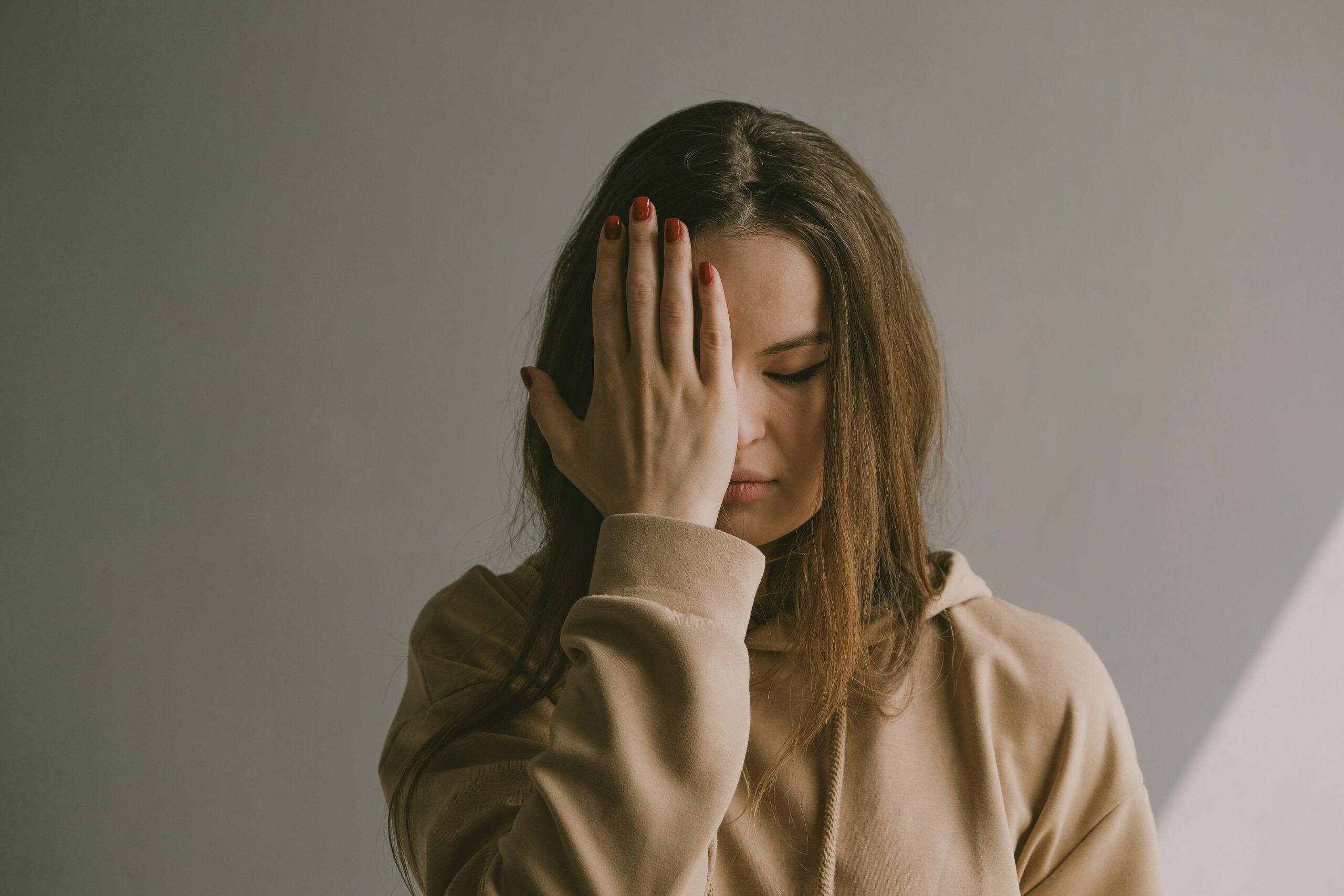
12 Warning Signs Your Body Is Stressed: Physical Symptoms You Should Never Ignore
🌿 At a Glance
If you’ve been feeling unusually tired, irritable, forgetful, or experiencing frequent headaches, your body may be trying to tell you something. Stress doesn’t only affect your mind—it can influence nearly every system in your body.
In this guide, you’ll learn 12 common physical warning signs of stress, why they happen, and practical steps you can take to support both your physical and emotional well-being.
⭐ Featured Snippet
Stress can affect your body in many ways, including headaches, muscle tension, digestive issues, poor sleep, fatigue, and difficulty concentrating. Recognizing these warning signs early and adopting healthy stress-management habits can help reduce their impact and improve your overall emotional and physical well-being.
📖 In This Guide
You’ll discover:
What stress does to your body.
12 physical warning signs you shouldn’t ignore.
Why chronic stress affects your health.
Practical ways to reduce everyday stress.
Common mistakes people make.
When it’s time to seek professional help.
Table of Contents
What Happens to Your Body During Stress?
12 Warning Signs Your Body Is Stressed
Why Ignoring Stress Can Be Harmful
Practical Ways to Support Your Body
Did You Know?
Key Takeaways
Common Mistakes to Avoid
When to Seek Professional Help
Action Checklist
Frequently Asked Questions
Conclusion
What Happens to Your Body During Stress?
Stress is your body’s natural response to challenges or perceived threats. In short bursts, it can be helpful, preparing you to react quickly and stay alert.
However, when stress becomes frequent or long-lasting, your body remains in a heightened state of alert. Stress hormones such as cortisol and adrenaline stay elevated for longer than intended, affecting your sleep, immune system, digestion, heart, muscles, and emotional well-being.
Over time, chronic stress may contribute to a variety of physical symptoms that are easy to dismiss as “just being busy.” Learning to recognize these signs early gives you the opportunity to make healthy changes before stress takes a greater toll on your health.
📊 Did You Know? According to the World Health Organization, mental well-being and physical health are closely connected. Ongoing stress can influence many aspects of overall health, making stress management an important part of a healthy lifestyle.

1. Frequent Headaches
One of the earliest physical signs of stress is recurring headaches.
When you’re under pressure, muscles around your neck, shoulders, and scalp often tighten. This tension can trigger headaches or even migraines in some people.
You may notice headaches becoming more frequent during demanding periods at work, family challenges, or prolonged emotional strain.
What You Can Do
Stay hydrated.
Take regular breaks from screens.
Practice deep breathing.
Stretch your neck and shoulders.
Maintain a consistent sleep schedule.
2. Constant Fatigue
Do you feel tired even after a full night’s sleep?
Stress forces your body to stay alert for extended periods, consuming more physical and emotional energy than you may realize. Over time, this can leave you feeling drained, unmotivated, and mentally exhausted.
Fatigue caused by stress often doesn’t improve with one good night’s sleep because your body may still be in a heightened state of alert.
Helpful Strategies
Prioritize quality sleep.
Reduce unnecessary commitments.
Take short breaks during the day.
Include gentle physical activity, such as walking.
3. Muscle Tension and Body Aches
Stress often causes muscles to tighten without you even noticing.
Common areas include the neck, shoulders, back, and jaw. Persistent muscle tension may lead to stiffness, discomfort, or pain that interferes with daily activities.
Relaxation techniques, stretching, and regular movement can help ease this tension over time.

4. Trouble Sleeping
Stress and sleep have a two-way relationship.
High stress levels can make it difficult to fall asleep, stay asleep, or enjoy restful sleep. In turn, poor sleep can make stress feel even more difficult to manage.
Creating a calming bedtime routine, limiting screen time before bed, and maintaining consistent sleep habits can support better rest.
5. Digestive Problems
Have you ever noticed that your stomach feels unsettled during stressful periods?
That’s because your brain and digestive system are closely connected through what’s often called the gut-brain axis. When you’re stressed, digestion can slow down or speed up, leading to symptoms that may seem unrelated to your emotions.
Common digestive symptoms of stress include:
Stomach discomfort
Nausea
Indigestion
Bloating
Constipation
Diarrhea
Changes in appetite
These symptoms are often temporary, but persistent digestive issues should always be evaluated by a healthcare professional to rule out other medical conditions.
What Can Help
Eat balanced meals regularly.
Stay hydrated throughout the day.
Limit excessive caffeine and highly processed foods.
Practice mindful eating without distractions.
Include fiber-rich foods in your diet.

6. Frequent Illness
Do you seem to catch every cold that goes around?
Long-term stress can weaken the immune system, making it more difficult for your body to fight infections efficiently.
Research has shown that chronic stress may reduce the effectiveness of certain immune responses, which is one reason people experiencing prolonged stress may notice more frequent colds or longer recovery times.
Supporting your immune system through adequate sleep, nutritious food, regular physical activity, and stress-management practices can make a meaningful difference.
7. Difficulty Concentrating
Have you ever walked into a room and forgotten why you were there?
Stress doesn’t only affect your emotions, it can also influence memory, focus, and decision-making.
When your mind is constantly occupied with worries or pressure, it becomes harder to process information efficiently. Tasks that once felt simple may suddenly seem overwhelming.
Simple Ways to Improve Focus
Break large tasks into smaller steps.
Prioritize one task at a time.
Take short movement breaks.
Limit unnecessary notifications while working.
Practice mindfulness for a few minutes each day.
8. Changes in Appetite
Stress affects people differently.
Some individuals lose their appetite completely, while others find themselves eating more than usual, especially comfort foods that are high in sugar or fat.
Neither response is uncommon.
Instead of criticizing yourself, pay attention to these changes and ask whether stress may be contributing to your eating habits.
Developing consistent meal routines and choosing nourishing foods can help restore balance over time.
9. Increased Heart Rate or Palpitations
When you’re under stress, your body releases hormones such as adrenaline that prepare you for “fight or flight.”
As a result, you may notice:
A racing heartbeat
Heart palpitations
Faster breathing
Sweaty palms
Feeling restless or on edge
These reactions are normal during short periods of stress. However, if they occur frequently, become severe, or are accompanied by chest pain, dizziness, or fainting, seek prompt medical evaluation.

📈 Statistics: Why Managing Stress Matters
Research consistently shows that stress is a widespread health concern affecting millions of people worldwide.
According to the World Health Organization (WHO), mental well-being is an essential part of overall health, and chronic stress can negatively affect both physical and emotional functioning.
The American Psychological Association (APA) has also reported that ongoing stress is commonly associated with disrupted sleep, reduced concentration, changes in eating habits, and lower overall well-being. These findings reinforce the importance of recognizing stress early and taking practical steps to manage it.
While occasional stress is a normal part of life, persistent or overwhelming stress deserves attention and should not be ignored.
💬 Expert Insight
The American Institute of Stress emphasizes that stress affects virtually every system in the body. Recognizing early warning signs and adopting healthy coping strategies, such as regular physical activity, adequate sleep, relaxation techniques, and social support, can help reduce the long-term impact of stress and improve overall quality of life.
🌿 Did You Know?
Your body often notices stress before your mind does.
Sometimes physical symptoms, such as headaches, tense muscles, digestive changes, or difficulty sleeping, appear days or even weeks before you realize how overwhelmed you’ve been feeling. Paying attention to these early signals can help you take action before stress becomes more difficult to manage.
10. Unexplained Skin Problems
Your skin often reflects what’s happening inside your body.
When stress levels remain high, your body produces hormones that may increase inflammation or affect your skin’s natural balance. Some people notice acne breakouts, eczema flare-ups, hives, dry skin, or increased sensitivity during stressful periods.
Although stress isn’t the only cause of skin conditions, it can make existing problems worse.
Healthy Habits That May Help
Drink enough water daily.
Follow a gentle skincare routine.
Get sufficient sleep.
Manage stress through relaxation techniques.
Consult a healthcare professional if symptoms persist or worsen.
11. Teeth Grinding or Jaw Pain
Many people clench their jaw or grind their teeth without realizing it, especially while sleeping.
Over time, this can lead to:
Jaw pain
Headaches
Facial discomfort
Tooth sensitivity
Worn-down teeth
If you frequently wake up with jaw pain or headaches, stress could be one contributing factor. A dentist can also assess whether a night guard or other treatment may be appropriate.
12. Feeling Emotionally Overwhelmed
Although this article focuses on physical symptoms, emotional exhaustion often accompanies chronic stress.
You may notice:
Feeling irritable
Losing patience easily
Feeling anxious or restless
Becoming emotionally numb
Crying more often than usual
Feeling overwhelmed by everyday responsibilities
Recognizing these emotional signs alongside physical symptoms can help you address stress before it affects your overall quality of life.
🌿 Key Takeaways
✔️ Stress affects both the body and the mind.
✔️ Physical symptoms are often early warning signs that shouldn’t be ignored.
✔️ Healthy daily habits can significantly improve your ability to manage stress.
✔️ Early intervention may help prevent long-term health complications.
✔️ Seeking support is a sign of strength, not weakness.
⚠️ Common Mistakes to Avoid
Many people unintentionally make stress worse by:
Ignoring physical warning signs.
Relying only on caffeine to fight fatigue.
Skipping meals during busy days.
Sleeping too little.
Avoiding physical activity.
Trying to handle everything alone.
Delaying medical advice when symptoms persist.
Small, consistent lifestyle changes are often more sustainable than trying to make dramatic changes overnight.
🩺 When to Seek Professional Help
While occasional stress is a normal part of life, it’s important to seek professional support if:
Symptoms persist for several weeks.
Stress interferes with work, school, or relationships.
You experience severe anxiety or panic attacks.
Physical symptoms become more frequent or severe.
You have chest pain, difficulty breathing, fainting, or other emergency symptoms, seek immediate medical care.
A healthcare professional can help determine whether your symptoms are related to stress or another underlying condition and recommend appropriate treatment.
✅ Action Checklist
Before the end of today, try to:
☐ Take five slow, deep breaths.
☐ Drink enough water.
☐ Stretch for five minutes.
☐ Take a short walk.
☐ Eat one balanced meal.
☐ Reduce screen time before bed.
☐ Aim for seven to nine hours of sleep.
☐ Reach out to someone you trust if you’re feeling overwhelmed.
❓Frequently Asked Questions
1. Can stress really cause physical symptoms?
Yes. Stress can affect multiple body systems, including the muscles, digestive system, immune system, heart, and sleep patterns.
2. How long can stress symptoms last?
They vary from person to person. Symptoms often improve when the source of stress is managed, but persistent symptoms should be discussed with a healthcare professional.
3. Can stress weaken the immune system?
Long-term stress may reduce certain immune responses, making it harder for the body to fight infections efficiently.
4. What is the fastest way to calm my body during stressful moments?
Slow, controlled breathing, taking a brief walk, practicing mindfulness, or stepping away from the stressful situation can help reduce your body’s stress response.
5. Can exercise reduce stress?
Yes. Regular physical activity supports both physical and emotional well-being and can help lower stress levels over time.
6. Is stress different from anxiety?
Yes. Stress is usually a response to external pressures, while anxiety may continue even when no immediate stressor is present. However, the two can occur together.
7. Should I ignore stress if the symptoms seem mild?
No. Paying attention to early warning signs and adopting healthy coping strategies can help prevent stress from becoming more severe.
📚 Suggested Reading
Continue learning with these HAS Life Glow Daily articles:
How to Manage Stress Naturally Without Feeling Overwhelmed
11 Practical Ways to Manage Anxiety Without Losing Control
15 Daily Emotional Wellness Habits That Can Improve Your Mental Health Naturally
🔗 Related Posts
These articles are closely connected to today’s topic and can help readers continue their emotional wellness journey:
How to Create Mental Clarity When Your Mind Feels Busy
Building Emotional Resilience Through Daily Habits
Self-Care Practices That Improve Emotional Well-Being
⚕️ Medical Disclaimer
This article is intended for educational and informational purposes only and should not be considered medical advice. It is not a substitute for professional diagnosis, treatment, or personalized healthcare recommendations. If you have ongoing or concerning symptoms, consult a qualified healthcare professional.
Internal Links
How to Manage Stress Naturally Without Feeling Overwhelmed
How to Create Mental Clarity When Your Mind Feels Busy
Why Setting Healthy Boundaries Improves Mental and Emotional Health
The Hidden Signs of Emotional Burnout and How to Recover
How to Control Negative Thoughts and Develop a Positive Mindset
EXTERNAL RESOURCES
https://www.nimh.nih.gov
https://www.sleepfoundation.org
https://www.mindful.org
✍️ Author Bio
HAS Life Glow Daily Team
At HAS Life Glow Daily, we are committed to providing practical, evidence-informed resources that support emotional wellness, healthy living, and personal growth. Our mission is to empower readers with trustworthy information and simple strategies that help them build healthier, happier lives.
🌿 Your Emotional Wellness Journey Continues
Learning to recognize your body’s response to stress is one of the most valuable steps you can take toward better health. Every small, intentional action, whether it’s getting enough rest, taking a mindful walk, reaching out for support, or practicing relaxation techniques, can help you build resilience over time.
Remember, emotional wellness isn’t about eliminating stress completely. It’s about developing healthy habits that help you respond to life’s challenges with greater balance, confidence, and self-compassion
Helping You Glow Through Life—One Day at a Time.