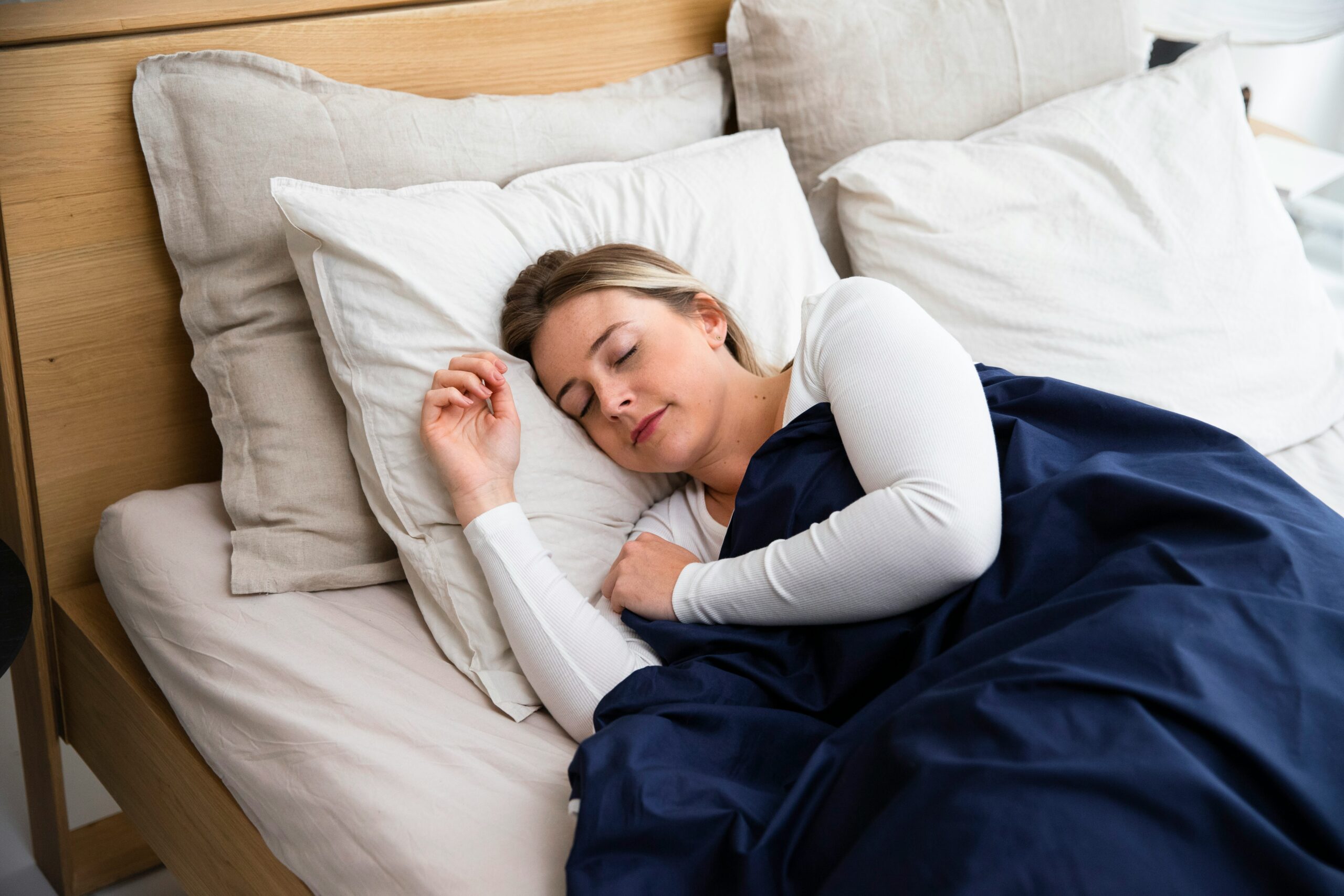
9 Eye-Opening Ways How Sleep Affects Your Emotional Health and Changes Your Mood
How Sleep Affects Your Emotional Health
Have you ever noticed that everything feels harder after a poor night’s sleep?
The smallest inconvenience becomes frustrating.
Your patience disappears.
Your motivation drops.
Even simple conversations can feel exhausting.
Most people think sleep is mainly about physical recovery.
The truth is far more interesting.
Sleep is one of the most powerful influences on emotional well-being.
In fact, many emotional struggles that people experience daily are closely connected to their sleep habits.
Anxiety often feels stronger.
Stress feels heavier.
Negative thoughts become louder.
Emotional resilience weakens.
All because of something many people underestimate: sleep.
Understanding how sleep affects your emotional health can completely change the way you approach self-care.
The connection between sleep and emotions runs deeper than most people realize.
And once you understand what’s happening behind the scenes, you’ll never look at sleep the same way again.
TABLE OF CONTENTS
Introduction
Key Takeaways
Why Sleep Matters for Emotional Health
The Science Behind How Sleep Affects Your Emotional Health
Way #1: How Sleep Affects Your Emotional Health Through Mood Regulation
Way #2: How Sleep Affects Your Emotional Health by Increasing Stress Levels
Way #3: How Sleep Affects Your Emotional Health Through Emotional Reactivity
Way #4: How Sleep Affects Your Emotional Health and Anxiety Symptoms
Way #5: How Sleep Affects Your Emotional Health Through Mental Clarity
Way #6: How Sleep Affects Your Emotional Health and Decision-Making
Way #7: How Sleep Affects Your Emotional Health and Relationships
Way #8: How Sleep Affects Your Emotional Health Through Emotional Resilience
Way #9: How Sleep Affects Your Emotional Health and Long-Term Well-Being
How to Improve Sleep for Better Emotional Health
Statistics About Sleep and Emotional Health
Expert Insights
Action Checklist
Frequently Asked Questions
Final Thoughts
References
Author Bio
KEY TAKEAWAYS
✓ Sleep directly affects emotional stability.
✓ Poor sleep can increase stress, anxiety, and irritability.
✓ Quality sleep helps improve emotional resilience.
✓ Sleep influences relationships, decision-making, and mental clarity.
✓ Better sleep habits can significantly improve emotional well-being.
Why Sleep Matters for Emotional Health
People often focus on nutrition.
Exercise receives plenty of attention.
Stress management gets discussed regularly.
Yet sleep is frequently treated as optional.
That mindset can be costly.
Sleep is not simply a period of rest.
It’s a critical time when the brain processes emotions, restores balance, and prepares you for the challenges of a new day.
Without adequate sleep, emotional regulation becomes much more difficult.
This is one reason people experiencing chronic stress often struggle with sleep as well.

Many of the emotional symptoms linked to stress are also linked to poor sleep.
That’s not a coincidence.
The two are deeply connected.
The Science Behind How Sleep Affects Your Emotional Health
Scientists have spent decades studying how sleep affects your emotional health.
Their findings continue to reveal something remarkable.
During sleep, your brain doesn’t simply switch off.
It remains highly active.
Several important processes occur while you sleep:
* Emotional processing
* Memory consolidation
* Hormonal regulation
* Stress recovery
* Brain restoration
Think of sleep as your brain’s overnight maintenance system.
Without enough sleep, unfinished emotional processing can carry over into the next day.
This can leave you feeling overwhelmed, reactive, and emotionally drained.
Your Brain Processes Emotions During Sleep
Throughout the day, your brain collects emotional experiences.
Conversations.
Challenges.
Successes.
Disappointments.
Sleep helps organize and process those experiences.
When sleep becomes disrupted, emotional processing becomes less effective.
As a result, emotions often feel stronger and harder to manage.
This is one of the clearest examples of how sleep affects your emotional health.
Way #1: How Sleep Affects Your Emotional Health Through Mood Regulation
Have you ever felt unusually irritable after sleeping poorly?
Most people have.
One bad night can change your mood dramatically.
You become less patient.
More sensitive.
Easier to frustrate.
That’s because sleep plays a major role in mood regulation.
When you sleep well, your brain is better equipped to manage emotional responses.
When sleep is restricted, emotional control becomes more difficult.
You may notice:
* Increased irritability
* Mood swings
* Frustration
* Low motivation
* Emotional sensitivity
The connection between mood and sleep is so strong that many emotional difficulties improve once sleep quality improves.
Why Small Problems Feel Bigger After Poor Sleep
Poor sleep reduces your ability to handle everyday stressors.
The situation itself may not change.
Your emotional response does.
This is why a minor inconvenience can suddenly feel like a major crisis after a restless night.
Understanding how sleep affects your emotional health helps explain these experiences.
They’re not random.
They’re often linked to sleep quality.
Way #2: How Sleep Affects Your Emotional Health by Increasing Stress Levels
One of the fastest ways to elevate stress is to consistently get poor sleep.
Sleep and stress have a two-way relationship.
Stress can disrupt sleep.
Poor sleep can increase stress.
This creates a cycle that becomes difficult to break.
When sleep is insufficient, stress hormones remain elevated longer.
Your body stays in a heightened state of alertness.
As a result, everyday responsibilities can feel much heavier than they actually are.
You may experience:
* Increased overwhelm
* Reduced patience
* Emotional fatigue
* Greater tension
* Difficulty relaxing
People looking for natural ways to reduce stress often focus on relaxation techniques.
While those methods help, sleep is frequently the missing piece.

Sleep Is One of the Most Powerful Stress Recovery Tools
Many people search for complicated solutions.
Sometimes the most effective solution is also the most overlooked.
Consistent, restorative sleep gives your mind and body an opportunity to recover from daily stress.
Without that recovery, emotional strain accumulates.
Over time, this can affect nearly every area of life.
Way #3: How Sleep Affects Your Emotional Health Through Emotional Reactivity
Have you ever reacted strongly to something and later wondered why?
Sleep deprivation may be part of the answer.
One of the most important ways how sleep affects your emotional health is through emotional reactivity.
When you’re sleep deprived, emotional responses tend to become more intense.
Small disappointments feel larger.
Criticism feels more personal.
Stressful situations feel harder to manage.
This doesn’t mean you’re weak.
It means your brain is operating without the recovery it needs.
The Link Between Sleep and Emotional Control
Quality sleep strengthens your ability to pause before reacting.
It creates emotional space.
Without that space, reactions often become more impulsive.
This is why people who consistently sleep well often appear calmer during stressful situations.
Their emotional regulation systems are functioning more effectively.
Way #4: How Sleep Affects Your Emotional Health and Anxiety Symptoms
Anxiety and sleep often influence each other in powerful ways.
When anxiety increases, falling asleep becomes difficult.
When sleep quality declines, anxiety often becomes stronger.
This cycle can continue for weeks or even months if left unaddressed.
One of the most important ways how sleep affects your emotional health is through its impact on anxiety levels.
People who regularly experience poor sleep often report:
* Excessive worrying
* Racing thoughts
* Feeling on edge
* Increased nervousness
* Difficulty relaxing
* Constant mental tension
What makes this challenging is that many people focus only on the anxiety itself.
They overlook the role sleep may be playing behind the scenes.
Why Anxiety Feels Worse After Poor Sleep
Your brain relies on sleep to restore emotional balance.
Without enough sleep, emotional centers in the brain become more reactive.
This can make ordinary situations feel threatening.
You may find yourself worrying about things that normally wouldn’t bother you.
Understanding how sleep affects your emotional health can help explain why anxiety often feels more intense after restless nights.
Sometimes improving sleep quality becomes an important part of reducing anxiety symptoms.
Way #5: How Sleep Affects Your Emotional Health Through Mental Clarity
Have you ever felt mentally foggy after a poor night’s sleep?
You forget things.
You lose focus.
Simple tasks suddenly require extra effort.
This is another powerful example of how sleep affects your emotional health.
Mental clarity and emotional wellness are closely connected.
When your mind feels cluttered, emotional stress tends to increase.
When your mind feels clear, emotional challenges become easier to manage.
Poor sleep can affect:
* Focus
* Memory
* Creativity
* Problem-solving
* Productivity
* Motivation
Many people blame themselves when concentration becomes difficult.
In reality, sleep deprivation may be playing a significant role.
Brain Fog Can Affect Emotional Well-Being
Mental exhaustion doesn’t stay confined to your thoughts.
It often spills into your emotions.
When concentration declines, frustration tends to increase.
When memory becomes unreliable, confidence may decrease.
Over time, this can affect emotional health in subtle but important ways.
This is why understanding how sleep affects your emotional health is so valuable.
Mental clarity and emotional resilience often improve together.

Way #6: How Sleep Affects Your Emotional Health and Decision-Making
Every day is filled with decisions.
Some are small.
Others shape your future.
What many people don’t realize is that sleep influences the quality of those decisions.
One overlooked way how sleep affects your emotional health is through judgment and decision-making.
When you’re sleep deprived, the brain tends to seek immediate rewards.
Long-term thinking becomes harder.
Impulsive choices become more likely.
You may notice:
* Reduced patience
* Poorer judgment
* Increased emotional decisions
* Greater risk-taking
* Difficulty evaluating situations objectively
Sleep helps the brain organize information and evaluate options more effectively.
Without adequate rest, emotional reactions can start guiding decisions.
Why Good Decisions Require Good Sleep
Think about the last major decision you made while exhausted.
Was it your best work?
Probably not.
Sleep gives your brain the resources needed to think clearly and respond thoughtfully.
Many successful routines for emotional wellness begin with one surprisingly simple habit:
Protecting sleep.
The Hidden Emotional Cost of Sleep Deprivation
Most conversations about sleep focus on physical health.
Weight.
Energy.
Productivity.
Yet the emotional consequences are often far more significant.
When sleep deprivation becomes chronic, people may experience:
* Increased negativity
* Emotional instability
* Reduced motivation
* Lower confidence
* Greater emotional exhaustion
* Higher perceived stress
The effects build gradually.
That’s what makes them easy to miss.
You don’t suddenly wake up emotionally drained.
The changes happen little by little.
One poor night becomes several.
Several become weeks.
Weeks become months.
Eventually, emotional well-being begins to suffer.
Understanding how sleep affects your emotional health allows you to recognize these patterns earlier.
And that awareness can make a tremendous difference.
Sleep and Emotional Self-Care
Many people think self-care means:
* Spa days
* Vacations
* Expensive wellness products
* Special routines
Those things can be enjoyable.
But one of the most effective forms of self-care is free.
Sleep.
Consistent, high-quality sleep supports nearly every aspect of emotional wellness.
It improves resilience.
Strengthens mood regulation.
Enhances mental clarity.
Reduces emotional reactivity.
Supports healthier relationships.
In many ways, sleep forms the foundation upon which emotional health is built.
If you’re actively working on improving your emotional wellness, quality sleep deserves a central place in your self-care routine.
At this point, we’ve covered six major ways how sleep affects your emotional health.
The remaining sections explore relationships, emotional resilience, long-term emotional well-being, practical sleep improvement strategies, statistics, expert insights, FAQs, references, and actionable steps.
Way #7: How Sleep Affects Your Emotional Health and Relationships
Relationships are often one of the first areas affected when sleep quality declines.
You may not notice it immediately.
But over time, lack of sleep can influence how you communicate, respond, and connect with others.
One of the most overlooked ways how sleep affects your emotional health is through its impact on relationships.
When you’re tired, patience tends to decrease.
Small misunderstandings feel bigger.
Minor disagreements escalate faster.
You may become:
* More irritable
* Less empathetic
* Easily frustrated
* Emotionally distant
* Less communicative
The result?
Relationships can become strained without either person realizing that sleep is part of the problem.
Better Sleep Often Leads to Better Relationships
People who consistently get quality sleep often find it easier to:
* Listen actively
* Regulate emotions
* Handle disagreements calmly
* Show empathy
* Maintain healthy connections
Sleep doesn’t solve every relationship challenge.
But it does improve the emotional skills needed to navigate them successfully.
Way #8: How Sleep Affects Your Emotional Health Through Emotional Resilience
Life will always bring challenges.
Unexpected setbacks.
Stressful seasons.
Difficult conversations.
Personal disappointments.
The difference often lies in how we respond.
This is where emotional resilience becomes important.
And it’s another key example of how sleep affects your emotional health.
Emotional resilience is your ability to recover from stress and adversity.
It’s what helps you bounce back after difficult experiences.
When sleep is consistently poor, resilience weakens.
Challenges feel heavier.
Recovery takes longer.
Stress lingers.
Why Sleep Builds Emotional Strength
Think of emotional resilience like a muscle.
Sleep helps strengthen it.
Without proper recovery, that muscle becomes fatigued.
Over time, even small challenges can feel overwhelming.
People who prioritize sleep often discover they handle stressful situations more effectively.
Not because life becomes easier.
Because they become better equipped to manage it.
Way #9: How Sleep Affects Your Emotional Health and Long-Term Well-Being
The effects of poor sleep don’t always appear immediately.
Sometimes the impact develops slowly.
Month after month.
Year after year.
That’s why understanding how sleep affects your emotional health is so important.
Long-term sleep deprivation has been associated with:
* Chronic stress
* Emotional exhaustion
* Burnout
* Anxiety symptoms
* Persistent mood challenges
* Reduced overall well-being
Good sleep is not merely about feeling rested tomorrow.
It’s about protecting your emotional health for years to come.
Emotional Wellness Starts at Night
Many people search for emotional wellness solutions during the day.
They focus on productivity.
Mindset.
Habits.
Goals.
Yet emotional wellness often begins the night before.
A healthy bedtime routine can influence how you feel, think, and respond the next day.
That’s the hidden power of sleep.
How to Improve Sleep for Better Emotional Health
Understanding how sleep affects your emotional health is valuable.
Applying that knowledge is where transformation happens.
The following strategies can help improve sleep quality and support emotional wellness.
Maintain a Consistent Sleep Schedule
Try to go to bed and wake up at approximately the same time each day.
Consistency helps regulate your body’s internal clock.
Create a Relaxing Evening Routine
Give your mind permission to slow down.
Consider:
* Reading
* Journaling
* Gentle stretching
* Prayer
* Meditation
* Deep breathing
Small routines often create significant results over time.
Reduce Screen Time Before Bed
Phones, tablets, and televisions can overstimulate the brain before sleep.
Limiting screen exposure before bedtime may improve sleep quality.
Manage Daily Stress Levels
Stress and sleep are deeply connected.
Reducing stress often improves sleep.
Improving sleep often reduces stress.
Prioritize Self-Care Consistently
Sleep should be viewed as a core self-care practice.
Not a luxury.
Not a reward.
A necessity.
STATISTICS: SLEEP AND EMOTIONAL HEALTH
Adults generally need 7–9 hours of sleep each night
Adequate sleep supports mood regulation, emotional balance, and overall well-being.
Poor sleep is associated with higher stress levels
Insufficient or disrupted sleep can contribute to greater emotional strain and make everyday stress harder to manage.
Sleep deprivation can reduce concentration
Poor sleep may contribute to mental fatigue, reduced focus, and greater frustration during daily activities.
Consistent sleep supports emotional resilience
Getting adequate, quality sleep can help you recover from everyday challenges and manage emotional stress more effectively.
Chronic sleep problems can affect overall well-being
Ongoing sleep difficulties may contribute to emotional exhaustion, persistent stress, and reduced quality of life.
EXPERT INSIGHT
Sleep researchers consistently emphasize that sleep is not passive.
During sleep, the brain actively processes emotional experiences, regulates stress responses, and strengthens emotional resilience.
Many experts consider quality sleep one of the most powerful foundations of mental and emotional wellness.
KEY ACTION CHECKLIST
✓ Aim for 7–9 hours of sleep each night.
✓ Keep a consistent sleep schedule.
✓ Reduce evening screen time.
✓ Create a calming bedtime routine.
✓ Address sources of chronic stress.
✓ Prioritize emotional recovery.
✓ Practice daily self-care.
✓ Monitor how sleep affects your mood.
✓ Make sleep a non-negotiable part of wellness.
FREQUENTLY ASKED QUESTIONS
How does sleep affect emotional health?
Sleep helps regulate emotions, manage stress, improve mood, strengthen resilience, and support emotional balance.
Can poor sleep increase anxiety?
Yes. Poor sleep often increases emotional reactivity and can intensify anxiety symptoms.
Why do I feel emotional after a bad night’s sleep?
Sleep deprivation affects emotional regulation centers in the brain, making emotions feel stronger and harder to manage.
Can improving sleep improve mental health?
For many people, better sleep contributes to improved emotional well-being, reduced stress, and greater resilience.
How many hours of sleep are ideal for emotional health?
Most adults benefit from approximately 7–9 hours of quality sleep per night.
Is sleep considered self-care?
Absolutely. Sleep is one of the most effective and scientifically supported forms of self-care.
Can sleep help with stress management?
Yes. Quality sleep helps regulate stress hormones and improves the body’s ability to recover from daily stressors.
What is the relationship between sleep and emotional resilience?
Good sleep strengthens emotional resilience, making it easier to cope with challenges and recover from difficult experiences.
FINAL THOUGHTS
If you’ve been wondering why stress feels heavier, emotions feel stronger, or mental clarity feels harder to achieve, your sleep habits may hold part of the answer.
Understanding how sleep affects your emotional health changes the way you view rest.
Sleep is not wasted time.
It’s not laziness.
It’s one of the most important investments you can make in your emotional well-being.
Every night gives your brain an opportunity to recover.
To process emotions.
To restore balance.
To prepare for a new day.
When you protect your sleep, you’re also protecting your emotional health.
And that’s a form of self-care that pays dividends every single day.
RELATED ARTICLES (INTERNAL LINKS)
Signs Your Body is Carrying too Much Stress
How to Manage Stress Naturally Without Feeling Overwhelmed
The Hidden Signs of Emotional Burnout and How to Recover From it.
Why Setting Healthy Boundaries Improves Mental and Emotional Health
How to Manage Anxiety Without Losing Control
EXTERNAL RESOURCES
https://www.sleepfoundation.org
https://www.cdc.gov/sleep
https://www.nimh.nih.gov
https://www.apa.org/topics/sleep
https://www.who.int
REFERENCES
National Sleep Foundation. Sleep Health and Wellness Resources.
Centers for Disease Control and Prevention (CDC). Sleep and Sleep Disorders.
National Institute of Mental Health (NIMH). Mental Health and Emotional Well-Being.
American Psychological Association (APA). Sleep and Psychological Health.
Medical Disclaimer
The information provided in this article is intended for general educational and informational purposes only. It is not intended to diagnose, treat, or prevent any medical or mental health condition or to replace professional medical advice.
Sleep needs and experiences vary from person to person. If you have persistent sleep difficulties, severe anxiety, significant mood changes, or symptoms that interfere with your daily life, speak with a qualified healthcare professional.
If you have an existing medical or mental health condition, are taking medication, or are receiving professional treatment, consult your healthcare provider before making significant changes to your sleep or wellness routine.
HAS Life Glow Daily does not provide diagnosis, treatment, or individualized medical advice
AUTHOR BIO
Hajara Abubakar Sadiq is the founder of HAS Life Glow Daily, a personal development and emotional wellness platform dedicated to helping individuals improve their emotional well-being through practical self-care strategies, emotional resilience practices, stress management techniques, and evidence-based personal growth insights. Her mission is to help readers build healthier minds, stronger emotional balance, and more fulfilling lives through simple, sustainable habits that create lasting change.